
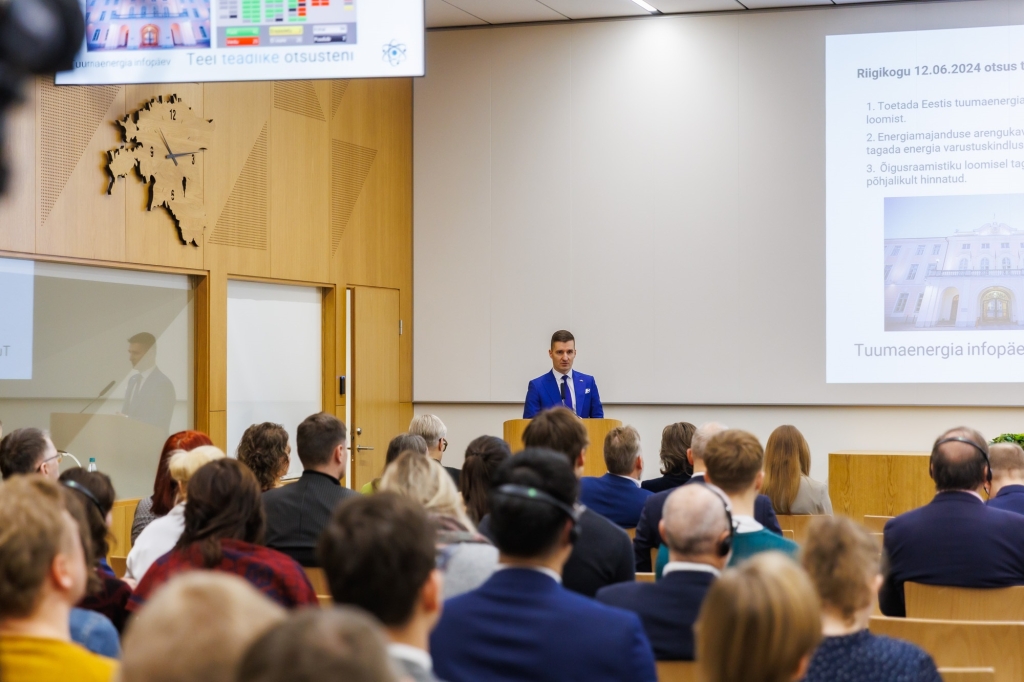
According to Climate Minister Yoko Alender, nuclear energy is one option for ensuring Estonia’s energy security: “To achieve a sustainable and affordable energy future, all options must be considered—including small reactors that meet Estonia’s needs and adhere to strict safety requirements.”
“The pros and cons of nuclear energy require an honest and science-based discussion. The debate must be based on knowledge and facts,” added the Climate Minister. “This makes it even more important to see that the vast majority of people have formed an opinion on the implementation of nuclear energy.”
54% of residents consider nuclear energy a suitable replacement for oil shale energy production to ensure electricity independent of weather conditions. The survey confirmed that, in addition to nuclear energy, renewable energy solutions such as wind and solar energy are also seen as having potential.
The Deputy Secretary General for Biodiversity and Environmental Protection at the Ministry of Climate and head of the nuclear energy steering group, Antti Tooming, noted that significant changes have occurred in attitudes toward nuclear energy implementation compared to the previous survey.“For example, the share of supporters has increased among women and older people,” said Tooming.
The current survey shows that the most positive attitudes toward the implementation of nuclear energy are among men (83%), people aged 15–24 (77%) and 65–74 (77%, compared to 59% in spring 2024), and people with higher incomes.
“The positive aspects of nuclear energy are primarily seen as ensuring Estonia’s energy independence and providing affordable electricity for consumers,” Tooming pointed out. “These are the state’s priorities—electricity must be reliable, clean, and affordable. Therefore, we are creating the conditions under which the implementation of nuclear energy can be considered.”
23% of residents do not support the implementation of nuclear energy. The proportion of opponents is higher than average among residents of Russian ethnicity (36%), women (33%), people aged 45–54 (32%), and those with lower incomes. One of the main risks regarding the implementation of nuclear energy, according to residents, is Estonia’s lack of competence in the nuclear energy field.
The survey was conducted by Turu-uuringute AS from December 2–8, 2024, with 1,008 respondents aged 15–74.
The Ministry of Climate has started drafting the Nuclear Energy and Safety Act to create the necessary regulations for using nuclear energy. The draft legislation is planned to be submitted to the Government of the Republic in June 2026. Additionally, a proposal to establish an independent nuclear regulator, which will ensure the safety of nuclear energy planning through supervision and permit processing, will be submitted to the Government by the end of 2026.

