
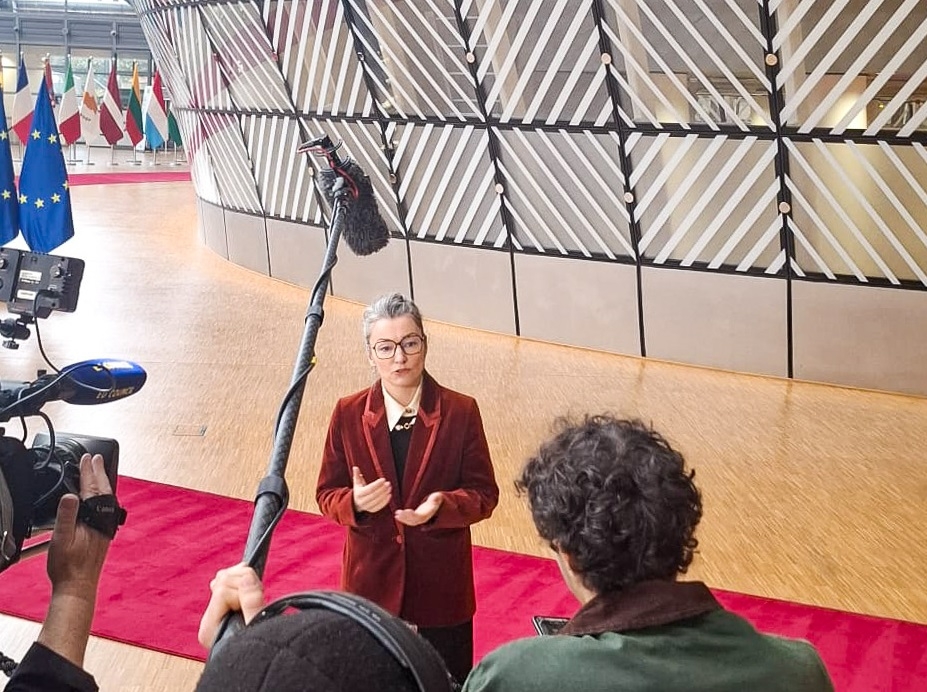
In her speech, the Minister highlighted the serious consequences of Europe’s energy market choices and the necessity of ending dependence on Russian fossil fuels. “Every euro spent on Russian fossil fuels is a euro that fuels their war of aggression. Essentially, we are financing their war against ourselves. We have come a long way in reducing this dependency, but the work is not yet done. Estonia does not import Russian energy, and our goal is clear – Europe must completely end the use of Russian fossil fuels,” said Yoko Alender.
She emphasized that EU countries must act together to protect their economies and citizens from price increases and supply disruptions. The Minister thanked Poland for bringing this critical topic—energy security and the protection of vital infrastructure—to the table.
“Our own experience shows that the challenges facing the energy sector require urgent and coordinated action,” said Alender. “Europe must stand united. No country can solve these problems alone. A clear strategy and smart investments will help us safeguard our economies and citizens from price hikes and supply disruptions.”
The Minister pointed out that this also includes accelerating the development of renewable energy. According to Alender, investments in clean energy and modern infrastructure are not only environmentally friendly but also the best way to ensure Europe’s energy independence and provide affordable prices for consumers.
Additionally, discussions at the meeting covered gas supply security, electricity sector risk preparedness, the state of Ukraine’s energy system, and the EU’s readiness for the next cold season. Estonia, Latvia, and Lithuania also presented an overview of the successful synchronization of the Baltic electricity networks with the Continental European grid.

