
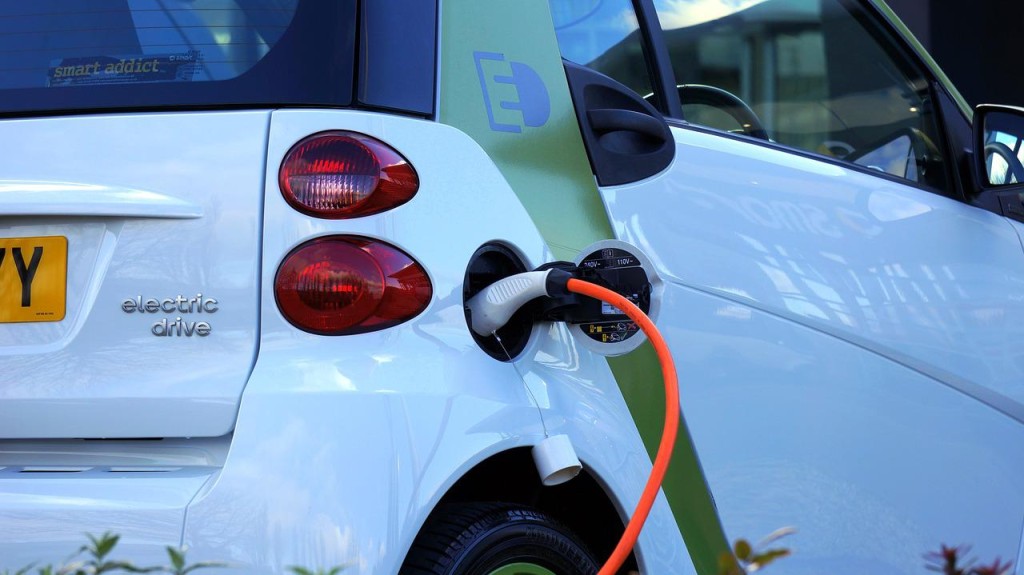
The proposed regulation would oblige the public sector and state enterprises to take into account the energy and environmental impact of a road vehicle or service, including energy consumption and CO2 and pollutant emissions, in the public procurement of road vehicles.
The regulation would also cover services such as public road transport services, special-purpose passenger road transport services, non-scheduled passenger transport services, as well as specific postal and parcel services and waste collection services.
The Ministry of the Environment sent the draft regulation for approval and is now awaiting feedback from stakeholders.
According to Minister of the Environment Erki Savisaar, the regulation should have a positive effect on the market for clean and energy-efficient road vehicles, increase the contribution of the transport sector to the Estonian climate and energy policy, promote the use of local renewable transport fuels such as biogas and biomethane, and accelerate the uptake of green hydrogen.
‘With the regulation, we encourage the wider use of passenger cars, trucks, and buses with low energy consumption and low carbon dioxide and other pollutant emissions, thus providing the necessary impetus for innovation and the development of new technologies in both fuel production and infrastructure development,’ said the Minister of the Environment. ‘The use of low-emission and zero-emission road vehicles, such as gas, hybrid, hydrogen, and electric buses, trucks, and light-duty vehicles, is becoming commonplace in our cityscape, and air quality in cities is also improving.’
The regulation should increase the demand for clean fuels, as biomethane and biogas or hydrogen produced from local raw materials could be used successfully in public transport. ‘We would also solve other environmental problems and support the circular economy and the move towards climate neutrality,’ said Savisaar.
Biomethane and biogas can also be used in other productions, such as heat production, and the infrastructure needed to transport them could later be used in the transition to hydrogen. ‘The sector clearly increases local competitiveness and provides employment,’ Savisaar noted.
According to market forecasts, the purchase price of environmentally friendly road vehicles will continue to fall. Lower operating and maintenance costs make the total cost of environmentally friendly road vehicles competitive already today. The expected fall in prices will further reduce barriers to the availability and deployment of environmentally friendly road vehicles in the coming decade.
The changes are also supported by a number of other accompanying developments, such as the obligation to install an electric vehicle charging network in new residential buildings, which will greatly facilitate the use of electric passenger cars

