
Functioning bogs currently cover less than 10% of Estonia’s territory, and the majority of these are raised bogs. ‘A third of former raised bogs have been destroyed, but Estonia is trying to restore the most important areas as much as we can,’ said Minister of the Environment Madis Kallas. The minister stressed the importance of restoring raised bogs for biodiversity as well as climate change.
A growing peat layer binds carbon dioxide for a very long time, but drained bogs release carbon into the air instead of sequestering it. The selection of sites for restoration will take into account their international importance. In particular, sites of the Ramsar Convention on Wetlands and Natura 2000 will be targeted for restoration to pre-drainage conditions. A balance between the cost of the work and the foreseeable outcome will also be important.
‘Over eleven years, we have developed considerable expertise in wetland restoration. Under the leadership of the Environment Agency, research institutions, non-profit organisations, and the State Forest Management Centre, the largest implementer of practical conservation work, have joined forces,’ said the Minister of the Environment.
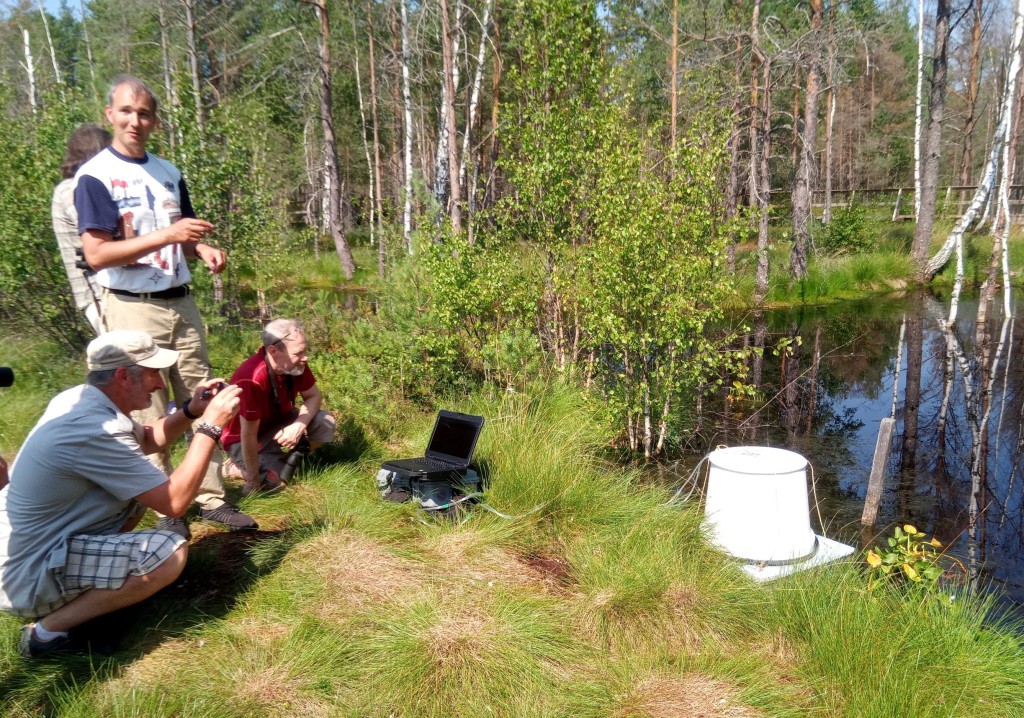
On the occasion of the upcoming Bog Day, the Ministry of the Environment and the State Forest Management Centre together with journalists went to see the results of the restoration of Viru bog, one of the most popular hiking spots near the city. Kaupo Kohv, Head of Nature Protection Department of the State Forest Management Centre, presented the work done here. ‘Viru bog is one of the oldest wetland restoration sites for the State Forest Management Centre, where work has been carried out since 2012, when an attempt was made to raise the water level in a 37-hectare milling field,’ said Kohv. ‘The restoration work was completed after several attempts in 2019, when the last ditches draining water out of the bog were closed.’ It is now clear that the former cut-over peatland is still wet in the middle of summer, which allows peat moss and other plants typical of marsh habitats to grow.
The restoration of the water regime in the Viru bog was funded by the EU Cohesion Fund, which is helping to restore previously drained, depleted, and abandoned peatlands.
To see the celebrations of International Bog Day in other parts of the world: https://bogday.org/

